Scenario
First cloud security review / new-CISO first 90 days
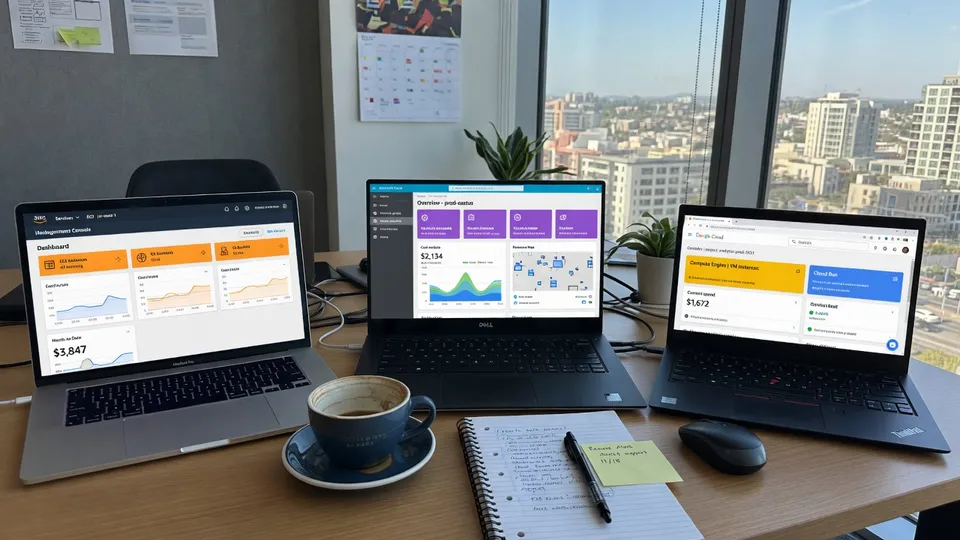
I just stepped into the security seat — or I am finally looking at our cloud with real scrutiny — and I cannot tell you today where our biggest exposure is. We are running across AWS, Azure, and Google Cloud, and the accounts, subscriptions, and projects have piled up over years. The picture in my head is stitched together from what people tell me rather than from evidence. Before I commit budget or promise the board a plan, I need an honest, ranked baseline of where we actually stand.
What usually goes wrong
Without a baseline, the first 90 days get spent on whatever is loudest — the tool a vendor is pushing, the finding one engineer happens to care about — instead of the biggest real risk. Inherited environments hide the things nobody documented: an over-privileged role from a project that shipped years ago, storage that was made public for a one-time task and never locked back down, audit logging that was never turned on across whole accounts. You end up making commitments to leadership before you can see the ground you are standing on, and course-correcting later costs credibility as well as money.
How the health check fits
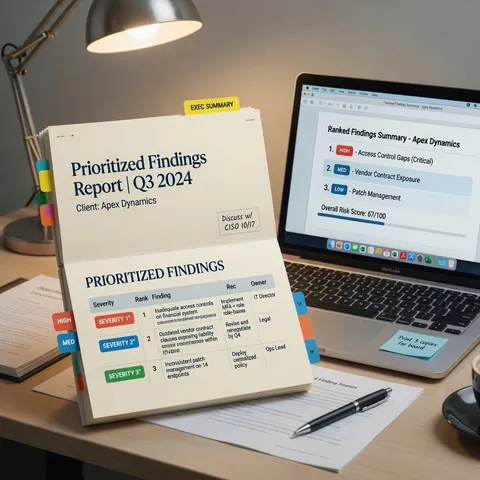
We run a read-only health check across the accounts, subscriptions, and projects in scope and give you the baseline you need to lead from. We start where the risk concentrates — identity and access first, then where sensitive data actually lives, then whether you could detect and reconstruct an incident — and we rank every finding by real risk rather than by scanner severity. Findings are mapped to CIS Benchmarks so your engineers get a concrete secure baseline to close against, and organized against the NIST Cybersecurity Framework so you have a structure to brief the board and plan the quarter around. Nothing is written to your environment; what you leave with is a prioritized picture and a defensible first 90-day plan, not another dashboard to interpret.
Domains that matter most
Frameworks in play
Questions
Is this useful if I do not have a security team yet?
Yes. The report is written to be actionable whether you have a full security org or you are the only person looking at this. Findings are ranked and each one has a plain-language reason it matters and a concrete fix, so you can direct your existing engineers — or scope outside help — without needing to be a cloud specialist yourself.
Can I use the results to brief my board in the first 90 days?
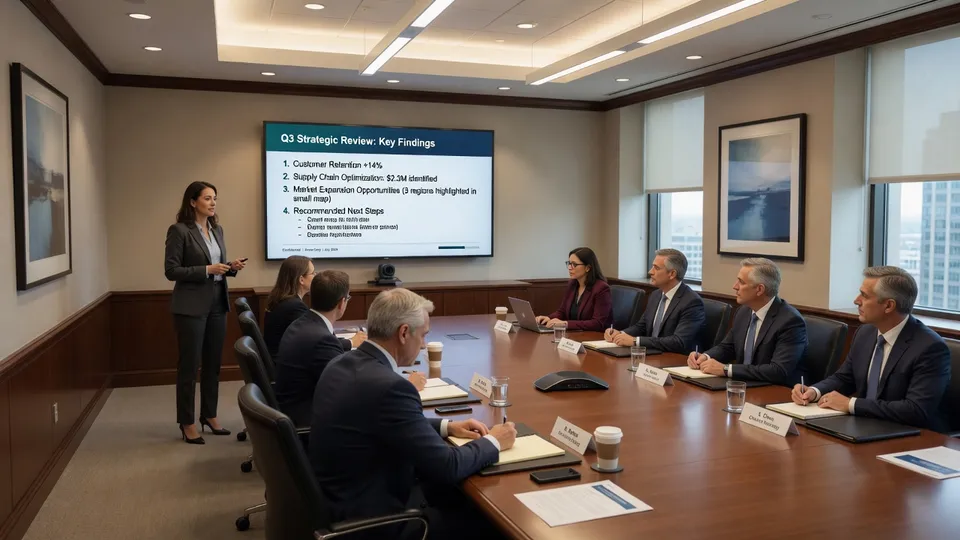
That is one of the main reasons to start here. Because findings are organized against the NIST Cybersecurity Framework, you get a defensible way to show current posture, the priority order of what to fix, and progress over time — evidence to support a budget conversation, not a promise of certification. The check is a read-only assessment; closing the findings is what changes your risk.
Get ahead of it
A health check finds and prioritizes real exposure. It is not a certification or a promise you will never be breached — closing the findings is what changes your risk.
How it works
From request to a plan you can run
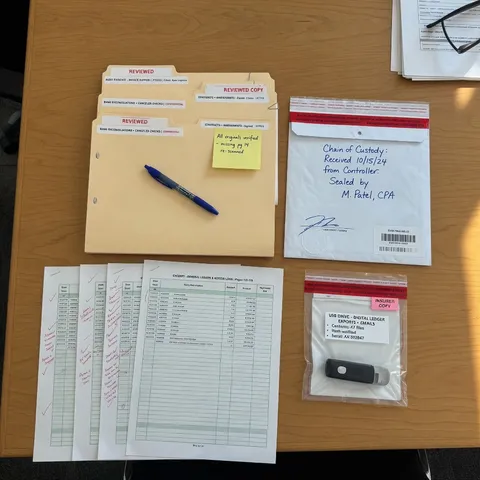
However you got here, the health check runs the same way — request, scope, read-only assessment, ranked report, and remediation.