
Scenarios
The moments a health check earns its keep
Most teams reach for a cloud security review at a specific moment — an audit, a migration, a renewal, an acquisition. Find your situation and see exactly how the assessment fits.
Pick your moment
Common triggers for a structured review
Whatever the trigger, each scenario runs the same read-only health check across all six domains — request, assess, report, remediate.
Preparing for a SOC 2, HIPAA, or PCI audit
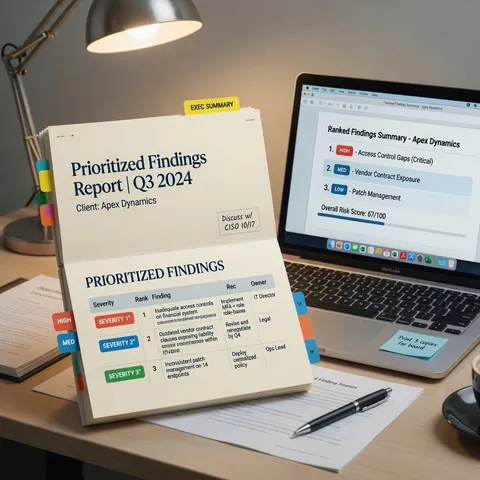
An audit is on the calendar — SOC 2, HIPAA, or PCI — and the cloud is where the questions get uncomfortable. You need to know what an assessor will find before they find it, and you need it in a form your engineers can act on and your auditor will accept.
See how it fitsAfter a cloud migration or lift-and-shift
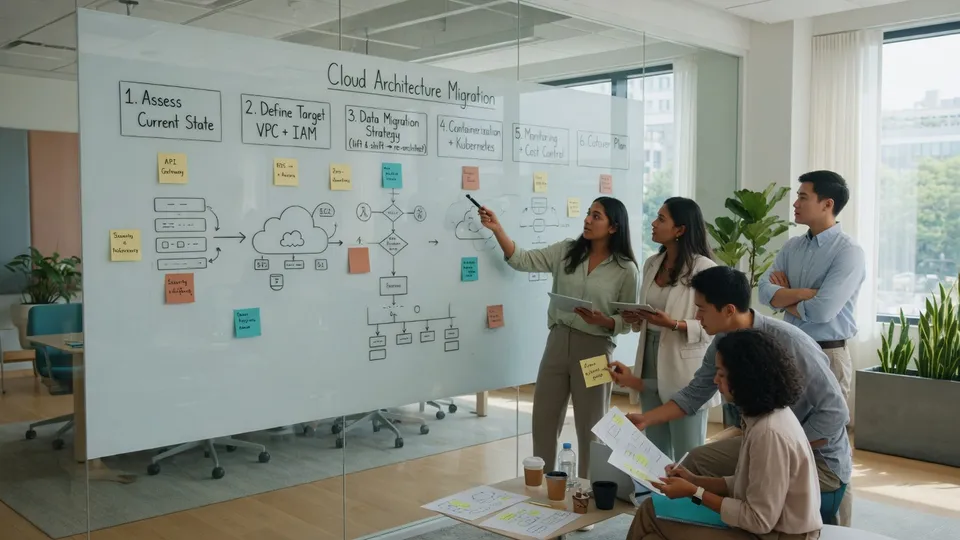
We moved to the cloud on a deadline — a lift-and-shift to hit a data-center exit or a board timeline. It works, it is live, and now leadership wants to know what changed about our risk when we changed where everything runs. The team that ran the cutover was optimizing for uptime and a clean switchover, not for what is exposed on day one, and no one has looked at the new estate the way an attacker would.
See how it fitsMulti-account & multi-cloud sprawl
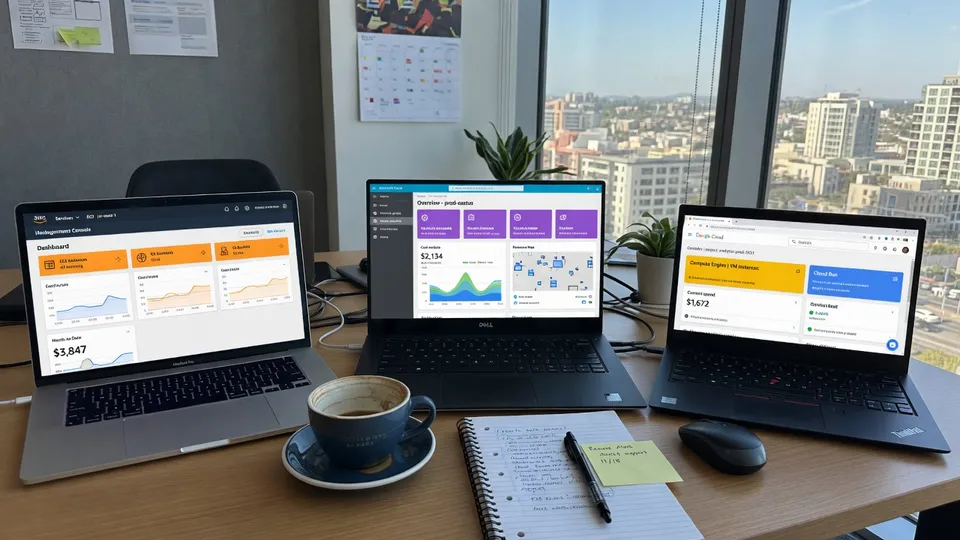
Every team spun up what it needed — new AWS accounts, an Azure subscription that came in through an acquisition, a handful of Google Cloud projects for data science. Now no one can give me a single answer to a simple question: who has access to what, where our data actually lives, and which accounts are even still in use. I need one honest picture across all of it, not a different story from each team.
See how it fitsCyber-insurance renewal & security questionnaires
A cyber-insurance renewal is in front of you, and the questionnaire has grown teeth. It asks whether MFA is enforced everywhere, who holds privileged access, whether logging and backups are actually in place, and how sensitive data is encrypted across your cloud. Someone has to sign an attestation that says "yes" — and you need to know the real state of your AWS, Azure, and Google Cloud environments before you put your name on those answers.
See how it fitsPost-M&A cloud consolidation
We closed the acquisition, and now their AWS and Azure accounts are ours — but nobody on our side built them. Before we merge networks, migrate workloads, or put our name on their systems, we need to know exactly what we just inherited: who still has access, where their data actually lives, and how far their controls sit from the way we run our own cloud.
See how it fitsFirst cloud security review / new-CISO first 90 days
I just stepped into the security seat — or I am finally looking at our cloud with real scrutiny — and I cannot tell you today where our biggest exposure is. We are running across AWS, Azure, and Google Cloud, and the accounts, subscriptions, and projects have piled up over years. The picture in my head is stitched together from what people tell me rather than from evidence. Before I commit budget or promise the board a plan, I need an honest, ranked baseline of where we actually stand.
See how it fitsBuy-side / investor due diligence
You are looking at an acquisition, a growth investment, or your own pre-raise position, and the technology diligence keeps stopping at the same wall: the target runs in the cloud, and nobody on either side can tell you in plain terms how exposed that cloud actually is. You need an independent read you can put in front of a deal team and an investment committee -- one that separates real risk from noise before you sign.
See how it fitsScenarios in operator spaces
The rooms these moments happen in
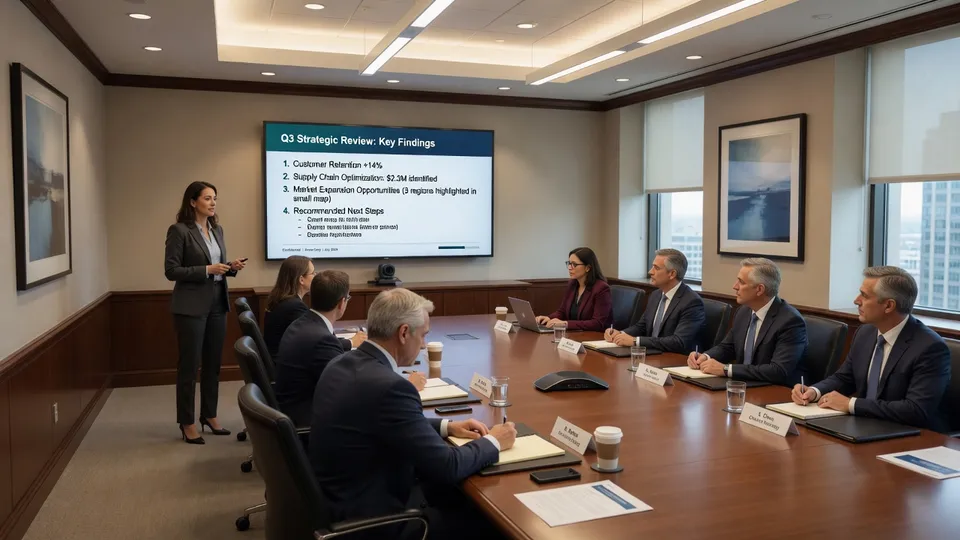
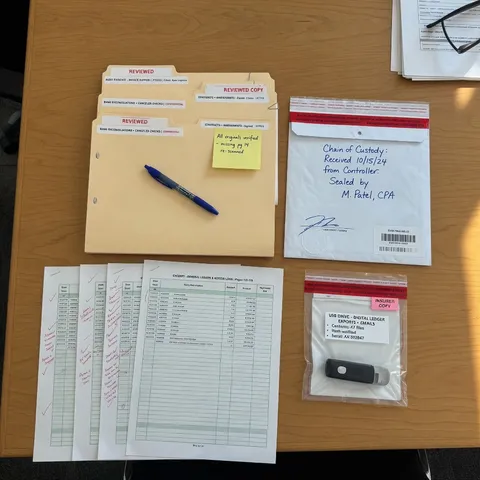
Audit prep, multi-cloud desks, leadership walkthroughs, and remediation workstations.


Not sure which fits?
Start free, or tell us your situation and we’ll scope it.