Scenario
Post-M&A cloud consolidation
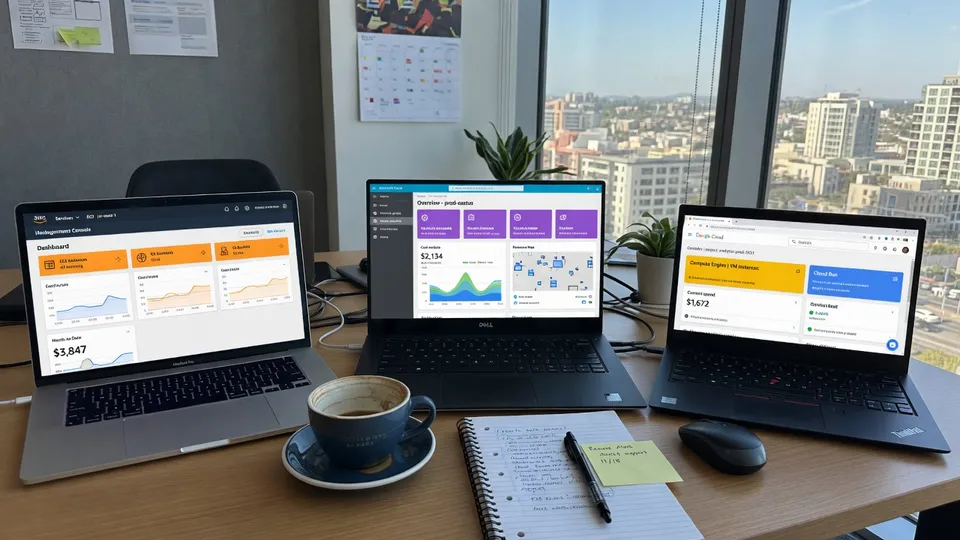
We closed the acquisition, and now their AWS and Azure accounts are ours — but nobody on our side built them. Before we merge networks, migrate workloads, or put our name on their systems, we need to know exactly what we just inherited: who still has access, where their data actually lives, and how far their controls sit from the way we run our own cloud.
What usually goes wrong
Integration moves faster than understanding. The acquired estate arrives with its own history — administrator access left over from the seller's contractors, keys embedded in code, storage that was made public for a project years ago, and logging that was never enabled in half the accounts. Two different security baselines then collide, and teams often connect the environments before either side has been reviewed, so a single weak account becomes a path into both companies. Because ownership of the inherited systems is unclear, findings surface late and sit unassigned while the deal clock keeps running.
How the health check fits
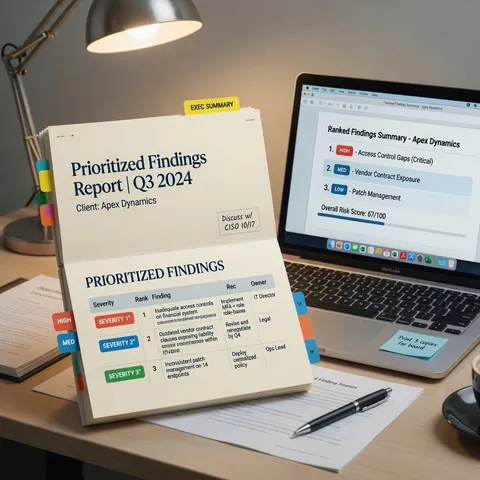
The health check reviews the inherited estate the way an attacker and an auditor both would — who has access, where the crown-jewel data sits, what is exposed, and how far configuration has drifted — and normalizes both the acquired environment and yours against one common baseline. You get a ranked, framework-mapped picture of the risk you took on, so integration planning starts from known exposure instead of discovering it after the networks are joined. The review is read-only and changes nothing in production; optionally, we help close the highest-priority findings before consolidation begins.
Domains that matter most
Frameworks in play
Questions
Can you assess before the deal closes?
With read-only access granted by the target, a review supports diligence and integration planning without touching their production. It gives you an independent, ranked picture of the posture you would be taking on.
The two companies use different clouds — can you still compare them?
Yes. We assess AWS, Azure, and Google Cloud against the same domains and baseline, so you get one comparable, prioritized view across both estates rather than two reports that cannot be lined up.
Get ahead of it
A health check finds and prioritizes real exposure. It is not a certification or a promise you will never be breached — closing the findings is what changes your risk.
How it works
From request to a plan you can run
However you got here, the health check runs the same way — request, scope, read-only assessment, ranked report, and remediation.